
Everybody has to design
When everyone can build applications, what sets a product apart is the experience intentionally designed for the people using it. Everybody has to design.
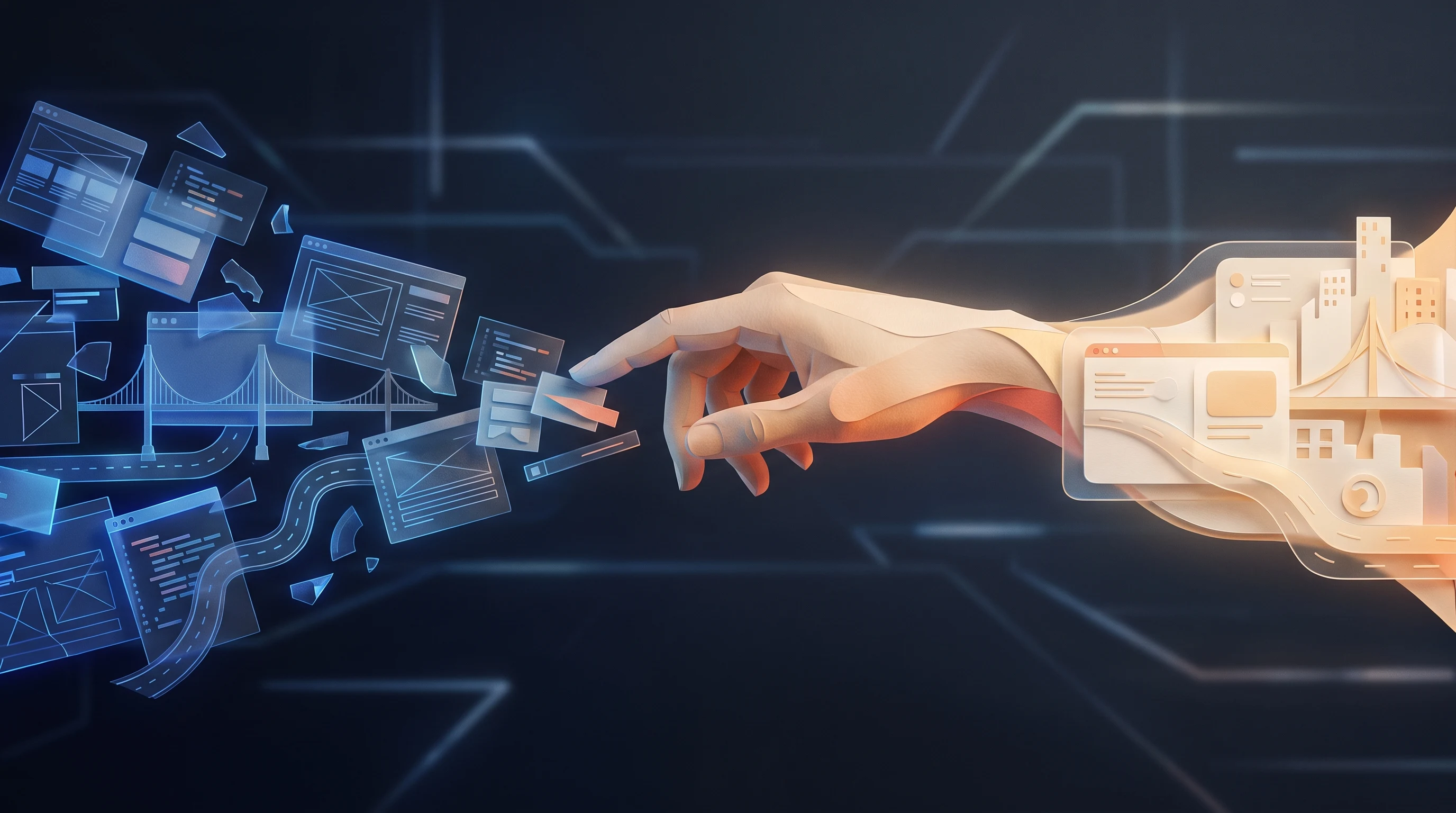
For as long as I can remember, software engineers have often asked me, "What makes you a good software engineer?" I've always told them that it's not about the code that you write. It's about the problems that you solve and the experience that goes with it.
In today's age, where AI is able to write code you need or follow instructions, with your guardrails there to make sure that it generates as high-quality code as possible. The model has moved from just writing code and building applications to actually solving problems and designing experiences with guidance. This is what many people refer to as taste today.
For those who might have been obsessed with just coding, what does this look like today? If you are unsure whether you have taste or not, a starting point is to pay attention to how people feel when they use your solutions.
Everything is designed
Let's take a step outside the box. Everything that we do, whether it is the code structure that we have, the organisation, the abstract things, the physical things in our world, or the user experiences of the applications that we use, are often intentionally designed for a specific experience. Sometimes successfully, sometimes not. Sometimes these things happen by mistake - unintentionally.
As a popular saying goes, "Failure to plan is planning to fail". In this case, failure to design is designing to fail. Put that on a t-shirt.
My point, however, is that whether you choose to design something intentionally or not, the way you eventually present it to an end user is still a design. Except, in this case, you fall short of the optimal experience that they require.
If you look around us today, our roads are designed. Flyover bridges, the way they are connected, houses — everything is designed, and it all translates back into the software applications that we build. Programmes can be designed. Engagements, tournaments, hackathons—all of those things are designed.
What is important is for us as humans, engineers, employees, or whatever the case is, to start consciously thinking about the design of the things that we make. This goes from the point of contact with the user or audience to when they achieve their desired goal.
Design is the difference
For many years, many companies positioned their selling point as being able to do something in one or two fewer clicks than their competitors because they intentionally designed an experience that brought ease to the end user.
When everyone can leverage the same tools or knowledge repository, what is going to set people or products apart is the experience that has been intentionally designed for the people using them. Then they choose which ones they go with. Choosing your price points can be by design. Choosing which edge cases you support is also design.
A few years ago, I was a Microsoft Student Partner, and there was this Microsoft campaign saying everybody should learn to code. It's a very similar situation today. We have had conversations - arguments - in the past about how everyone should know how to code - sometimes even berating designers if they didn't know how to code, but we are getting to the point now where everyone has to design.
If you are a doctor presenting your ideas at a session with Claude's presentations, you have to design your talk to highlight the key parts of your message intentionally - choosing how the slides present themselves to the audience. You have to guide AI with your own choices for design.
We've gone from a point where everyone could take design concepts as suggestions or a nice-to-have to it becoming what separates good from excellent. Everyone should not only design, but everybody has to design.
Everyone designs their life: their relationships, their work, their outputs, and the quality of the experiences that they choose. Design is everywhere around us, and the only way to stand out is to be intentional about designing the things that we create and put back out into the world.
Keep reading
- Agentic AIEngineering
Agentic development for engineering teams
A practical look at how engineering teams can adopt agentic development across local workflows, code review, and CI/CD without losing trust, quality, or production safety.
- Open SourceCommunity
Celebrating Nigerian Open Source today
A look at the evolution of Made in Nigeria, from a simple GitHub README to a structured, automated platform celebrating Nigerian open source projects.
- Agentic AIPersonal
My year in AI
A reflective look at a year working with agentic AI in the real world — from MCPs and goose to real workflows, non-engineers, and team-scale software development.